
Introducing PulseADT
A continuous intelligence system for securing modern infrastructure.

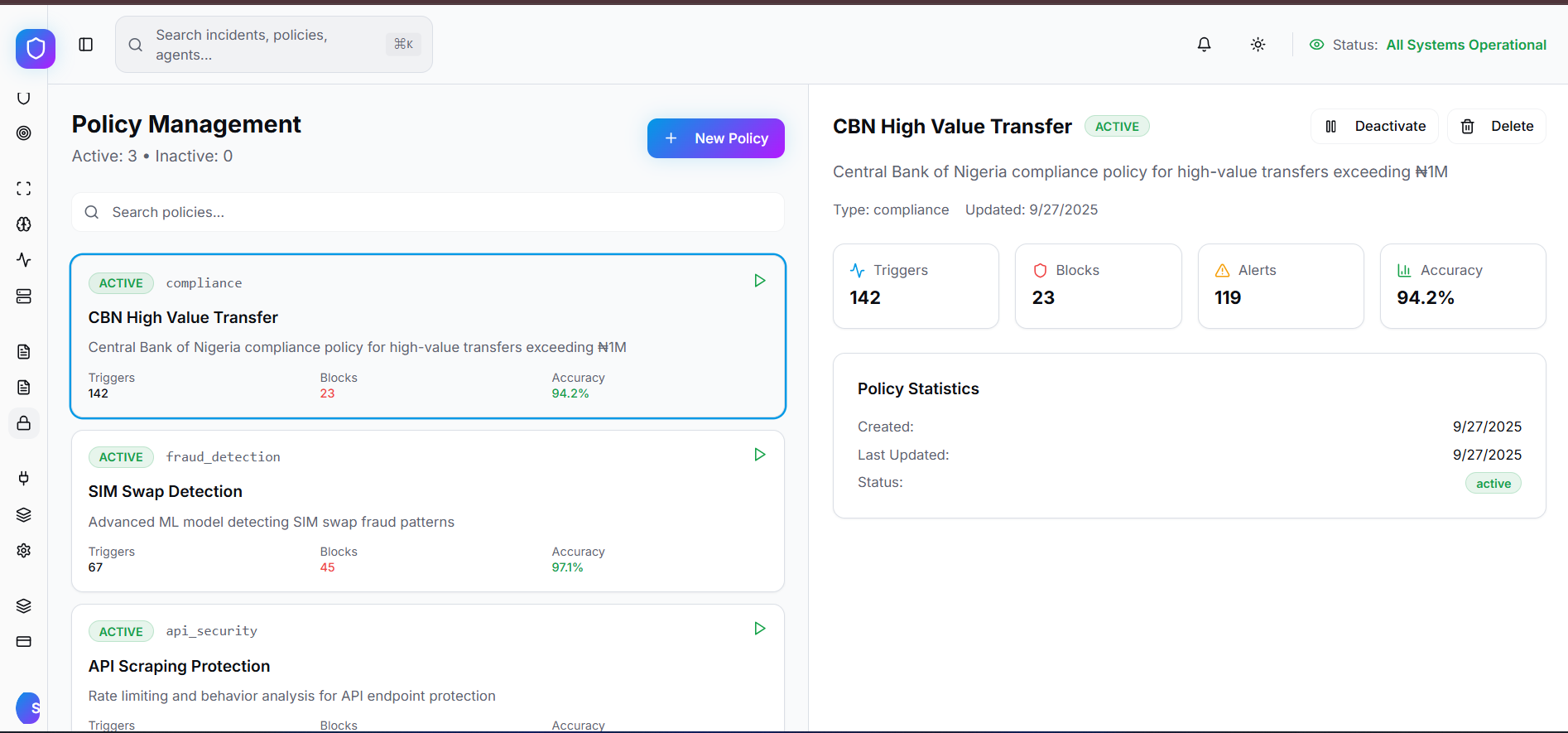
Every system produces signals logs, events, behaviours, configurations, user actions, network patterns. Individually, these signals say little. Together, they shape how infrastructure behaves, where risk emerges, and when something begins to drift out of alignment.
The PulseADT is built to follow this full landscape.
It evaluates signals continuously, not as isolated events but as parts of a larger story about the system’s state.
This allows it to see risk forming early, understand why it matters, and support decisions grounded in a complete view of the environment.
Threat interpretation grounded in context
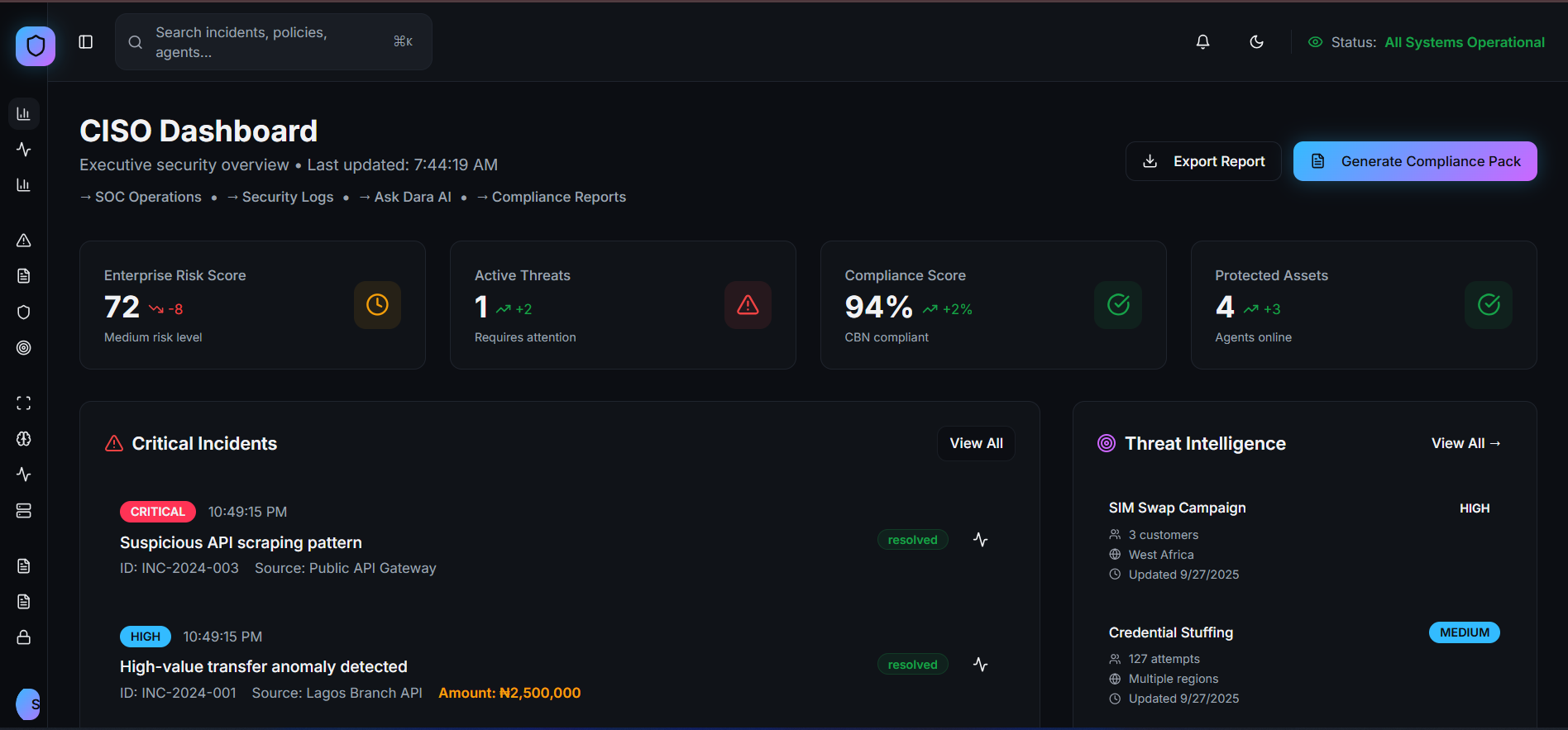
Threats rarely appear as a single obvious action. They emerge from subtle changes a new process, an unusual login, atypical API activity, a misaligned configuration, or inconsistent behaviour across related systems.
The platform interprets these signals as connected patterns.
It identifies behaviour that deviates from the system’s norms and explains:
- what changed
- why the change matters
- how it relates to other signals
- whether it reflects accidental behaviour, system drift, or intentional activity
This is not pattern matching; it is structured interpretation.
The impact is simple:
threats are recognized earlier, with clearer reasoning and fewer false assumptions.
Stability during unfolding incidents
When incidents occur, information is incomplete. Signals arrive out of order. Systems become noisy. It is easy to lose the thread of what is actually happening.
The platform maintains coherence under these conditions.
It reconstructs the sequence of events, tracks how actions relate to one another across time, and preserves the causal chain even when parts of the history are missing.
During an incident, this ability becomes crucial:
analysts see the story of the incident as a timeline, not a scatter of disconnected alerts.
The impact:
teams understand what to respond to, what can wait, and what needs escalation.
Defensive actions that follow structure, not impulse
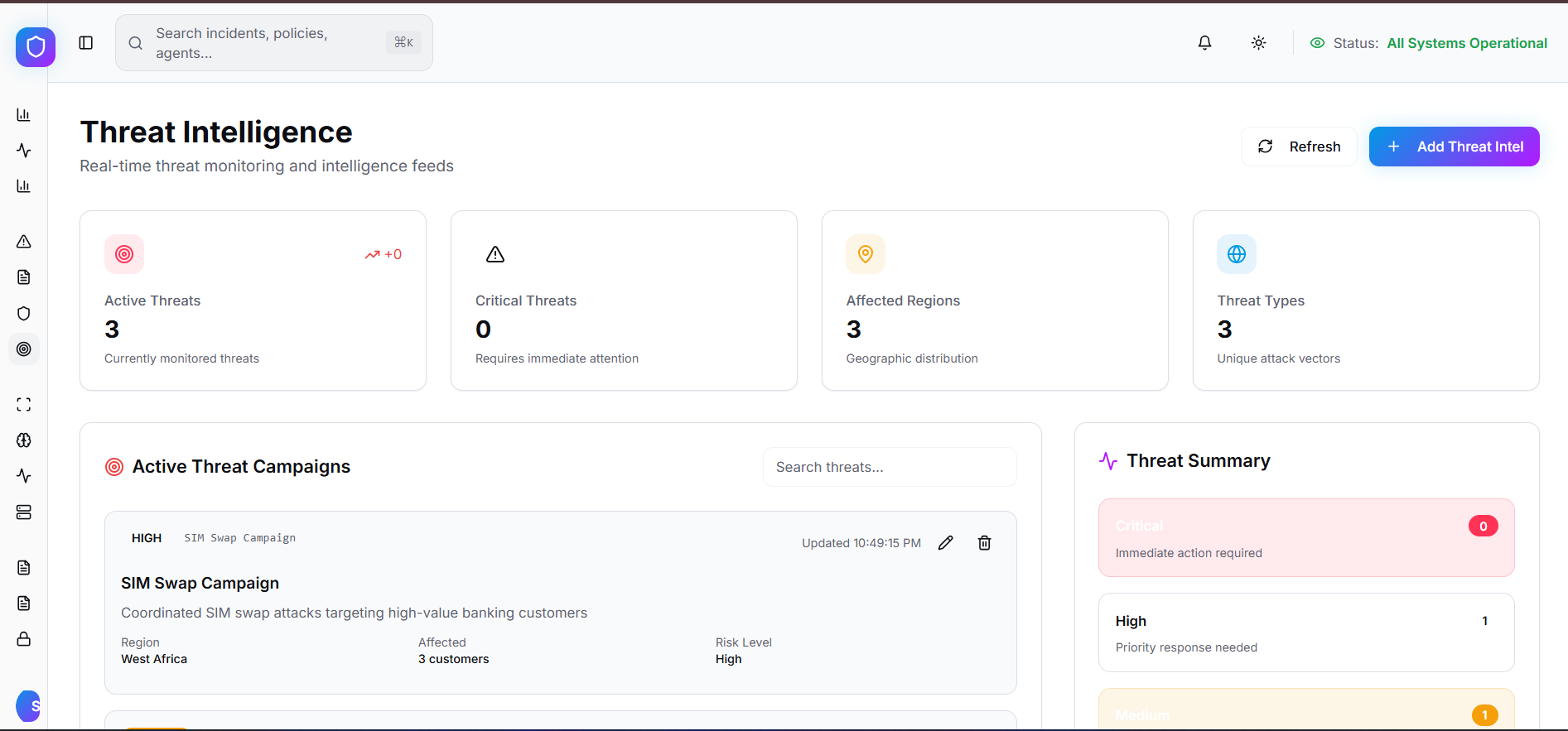
When the platform identifies a high-risk pattern with clear evidence, it can take controlled defensive actions. These actions are shaped by:
- the organization’s policies
- the level of certainty
- the severity of the behaviour
- the safety boundaries defined by the environment
The system acts only when the conditions align.
It does not improvise.
It does not respond to ambiguous data.
It remains deliberate.
The impact:
risk is contained early without destabilizing the environment or bypassing policy.
Investigations that assemble themselves
Every system action leaves a trace.
The platform collects and organizes these traces into a coherent investigation record:
- what occurred
- when it occurred
- what signals contributed
- how ADT interpreted the behaviour
- what evidence supported the interpretation
Instead of manually stitching together logs, analysts see the full investigation already built, with explanations that can be reviewed, questioned, and validated.
The impact:
faster understanding, clearer accountability, and fewer missed details.
Compliance as an ongoing state, not a periodic burden
Regulations and frameworks require organizations to show not only that they are compliant, but why.
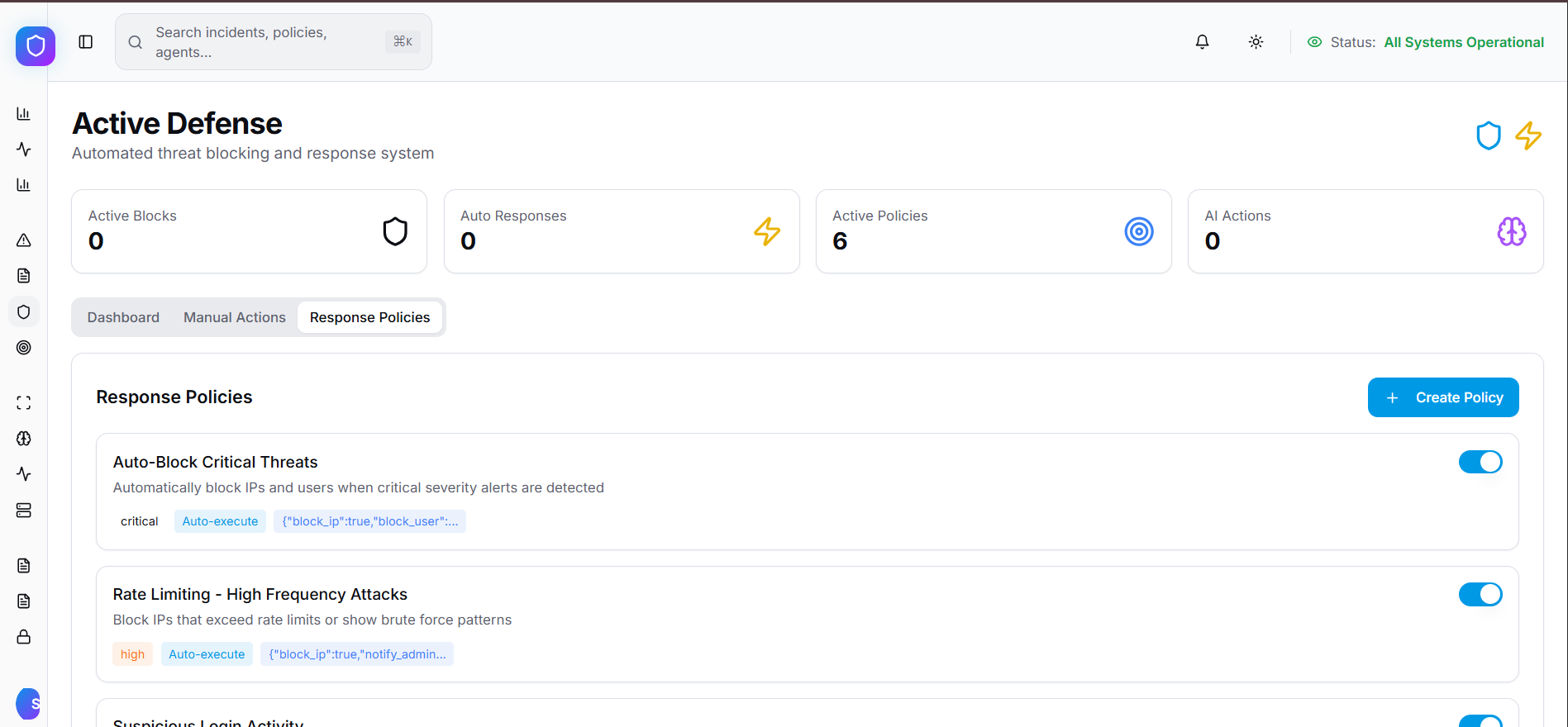
The platform maintains a continuous view of compliance posture, mapping system behaviour to regulatory requirements and producing:
- real-time compliance scores
- evidence for each requirement
- explanations for gaps
- summaries suitable for audits and internal governance
Compliance becomes a reflection of real system behaviour, not a separate parallel process.
The impact:
organizations stay aligned without needing dedicated cycles of manual review.
System governance supported by continuous clarity
The platform helps maintain long-term system health by identifying operational drift misconfigurations, outdated policies, inconsistencies across environments, and small anomalies that grow into systemic issues over time.
By connecting these issues to their impact and context, it gives organizations the insight needed to maintain stability and prevent fragmentation.
The impact:
systems evolve without losing structure or oversight.
A single intelligence loop from observation to governance
The PulseADT creates a continuous cycle:
- Observe system behaviour
- Interpret what the signals mean
- Detect when behaviour carries risk
- Respond when conditions are clear and justified
- Investigate the event with context and evidence
- Align behaviour with regulatory and policy requirements
- Maintain long-term operational integrity
This loop runs continuously, forming the foundation for an environment where digital infrastructure behaves predictably even as it evolves.